
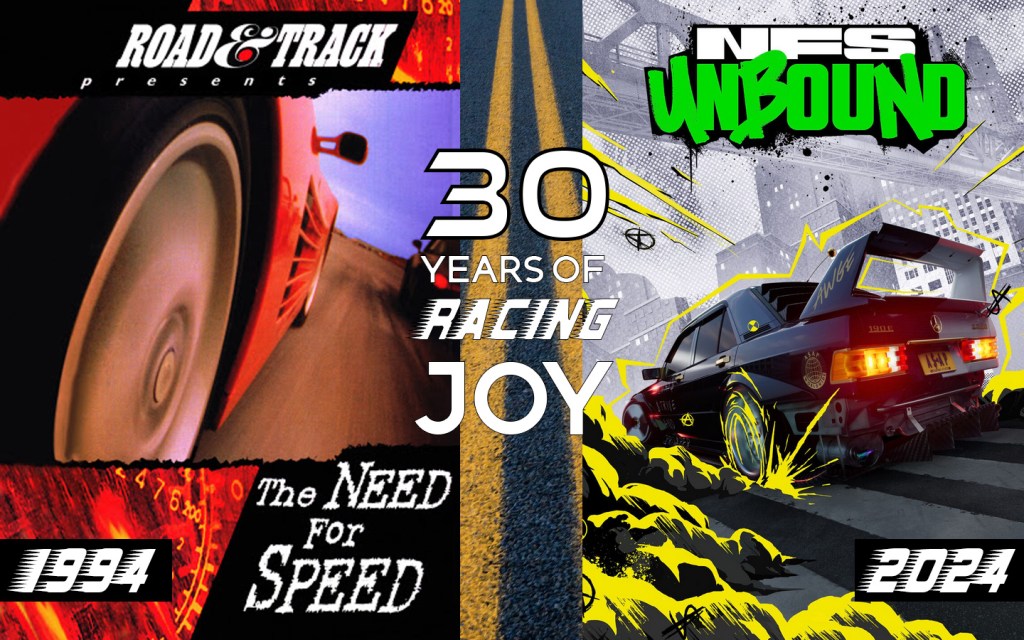
When it comes to racing games, there are a few franchises that immediately come to mind and usually the first one on the list is Need For Speed. This video game series is best known for its arcade-style, open-world street racing gameplay with high levels of car customisation. Even though most of the headlines these past few weeks have been about a particular BMW M3, December 2024 also marks the 30th Anniversary of the Need For Speed franchise.
That’s right, NFS is middle-aged now. Same as I. Now, according to the records on Wikipedia, the world of gamers has been treated to 22 instalments of Need For Speed in the last 30 years, not including any platform exclusives. I first thought I would bring you a history of the series, with details of all the major instalments that had the biggest impact in terms of gameplay and player experiences. Then I realised that it would take too much time to make it a fun read and we’ll probably be in 2025 by then. So, I’ve decided to focus on how the Need For Speed franchise moulded my gaming life with the titles I DID play and tell that story instead.
Demos and Secrets
I did not have a proper platform to support video games until about the mid-2000s, with the first-generation Microsoft XBOX, but that’s not to say I had no PC gaming experiences prior. Back then, the PC was a shared resource for my dad to work on and for me to do everything except that and hopefully not have it infected with a virus. Like most parents, mine were not fans of games that promoted rash and illegal behaviour so there was no pocket money for buying games like Need For Speed. Still, there used to be these things called magazines and sometimes you could get Demo CDs and that’s how I got my first taste of this racing game franchise. It was Need For Speed: Porsche Unleashed and you only had two or three races with a choice of one car (I think the Boxster).
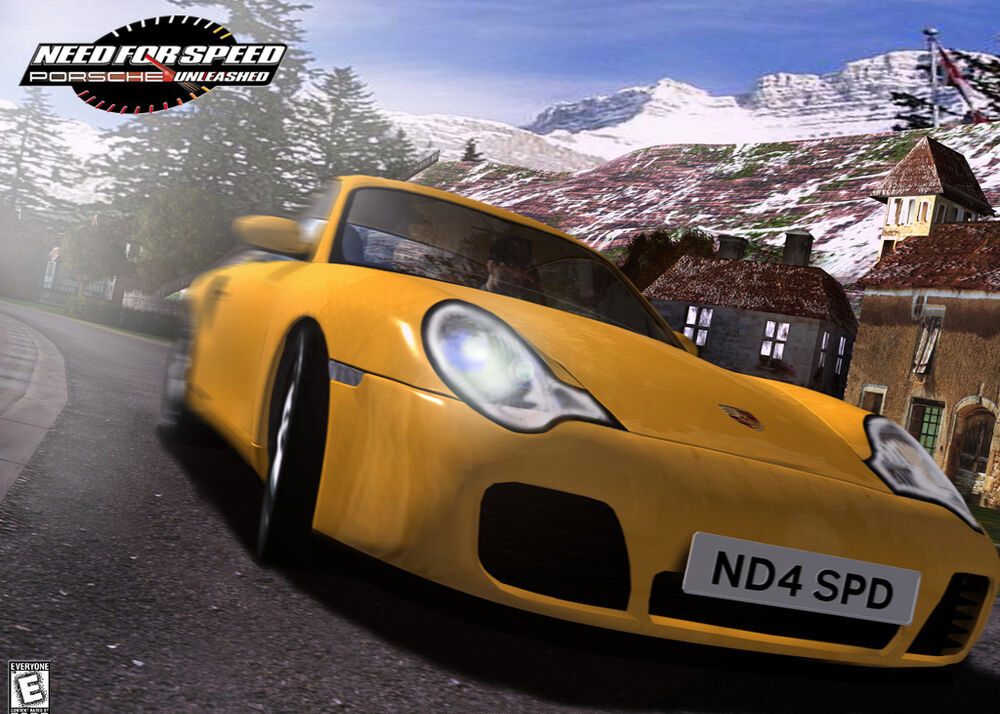
I was awful at it because I never developed any WASD skills, but that did not mean I enjoyed it any less. I even got my mom to play it who after about an hour of crashing endlessly, decided her time was better spent elsewhere. In terms of gameplay, I still remember the sense of speed with those graphics, the car noise and the fairly scenic landscape.
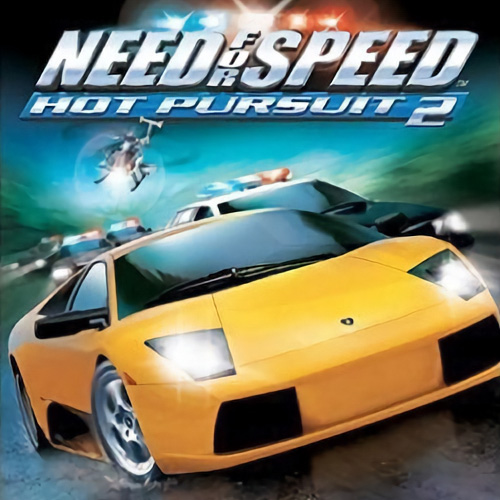
My next taste of the NFS franchise was a pirated copy of Need For Speed: Hot Pursuit 2, a birthday gift from a well-meaning friend. Unfortunately, I was inept at figuring out how to install these affordable versions with their hidden files and secret key codes. For some reason, I thought it would be a good idea to try and install it onto one of the PCs in the school Computer Lab. Definitely thought I would be seen as a legend for doing it and providing my fellow gamers with the chance to play at school too. But even with savvier friends around, it was impossible to find a PC left unsupervised long enough to complete the whole installation process. Finally, I decided to give the game CD to a friend and ended up only playing it at the guy’s house a few times. Of course, neither of our parents knew about any of this and so this was a sort of a secret gaming experience.
A Love Trilogy
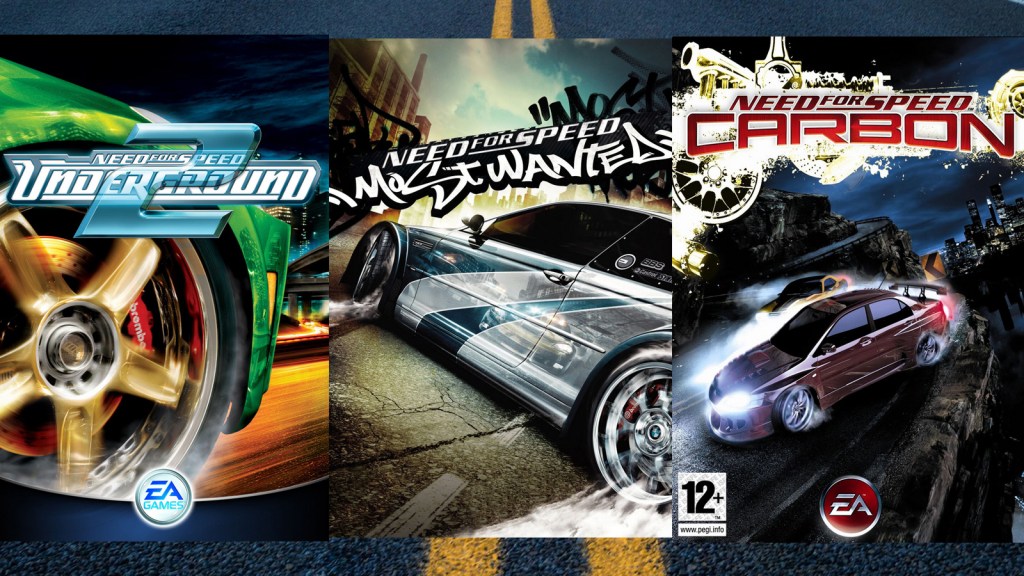
I had to wait a few years until my XBOX arrived for me to play my next Need For Speed game. The 2000s was a decade of excellence for this franchise with back-to-back bangers, and my love for it started truly with Need For Speed: Underground 2. Not only was I a fan of Rachel and the story-style intro since the first moment I loaded the game up, it came in 2005 on the heels of 2 Fast 2 Furious. Tuning and modifying sports cars was all my little brain wanted to think about all day, and this NFS game was the perfect outlet. Turns out I was not very good at racing games with a controller either, or at least I took a while to get used to the physics. Unfortunately, I never got around to finishing the game as I accidentally scratched up the disc pretty bad and it stopped working. But the hours I spent on modifying my Hyundai Tiburon GT, Honda City, Mitsubishi Evo and Cadillac Escalade are still fond core memories of my childhood. Besides the gameplay and the different modes, the soundtrack from this game also left a big impression on me, especially the Fredwreck remix of Riders on the Storm featuring Snoop Dogg and The Doors.

EA Canada, then developers of the NFS games, managed to follow up this amazing game with Need For Speed: Most Wanted. Arguably, one of the most iconic racing games ever with a major fan following even today. Luckily, I was able to get a copy of this one too! This game was a hugely different experience for me with its grunge visuals, modified exotic cars, aggressive police chase mechanics and new gameplay elements like ‘Speedbreaker’ and ‘Pursuit Breakers’. While I had gotten better at the racing bit, I now faced the challenge of learning how to escape intense pursuits. I recall having stressful dreams over the gameplay experience of being rammed mercilessly by multiple cop cars and being spotted by the chopper just seconds away from completing the cooldown. The storyline was fairly engrossing too revolving around ‘The Blacklist’, a hitlist of AI racer characters to beat. That introductory race where we start with the now-iconic silver and blue-striped BMW M3 GTR and are introduced to the main antagonist – Razor? It still gets me excited. Unfortunately, this is another game where I did not get to finish the story mode.
Highlighting the social status of this game is the fact that BMW M commissioned the build of an M3 GTR, this year, that matches the specification of the game and it now sits in their vault. They even had the actor who played Razor, Clarence Callahan, make an appearance alongside the NFS-spec M3 GTR on display at the BMW Welt.

By today’s standards, it would seem like a tall ask to make a follow-up for NFS: Most Wanted, but that’s exactly what we got the FOLLOWING year in the form of Need For Speed: Carbon. By this point, I’d gotten somewhat used to the format — live-action cutscenes for the storyline with ever-improving graphics and new gameplay formats. It’s not often I get to say this, but the game lived up to all the hype in my teenage mind when I finally got my hands on it. The crew vs crew format, the tag-team racing with strategising different strengths, togue style racing environments and of course, the collapsible guardrails that meant you could fly off the mountain and lose if you weren’t being serious. While NFS: Carbon does not have a day-night cycle, the night-only aesthetic with frequent rain and vivid lighting environments made for a visually gratifying experience. This time I made sure I finished the career mode and got as much joy out of the game as possible. So much so that I cooked the ageing Xbox into overheating and got the red circle light of death.

I may have been late to the NFS universe, but I got to enjoy a phenomenal run of games that cemented my love for the franchise.
Gap Years
The following instalments of the NFS franchise were only on the newer consoles like the XBOX360. With the XBOX out of commission and a shift in focus to fixing my grades that meant no funding for a new console or a decent PC, I stepped back from gaming for a few years. I switched to watching Let’s Play videos on YouTube to keep up to date with the popular new games. The EA folks kept pumping out solid NFS titles year after year, offering a mix of open-world street racing with Need For Speed: Undercover and sim-racing experiences like Need For Speed: ProStreet, and Need For Speed: Shift.

We also saw a new studio take on the development of the franchise, i.e., the EA-acquired Criterion Games. These folks arrived on the scene with some big boots to fill, starting with a new Need For Speed: Hot Pursuit in 2010. It introduced Autolog allowing players to share records and achievements with their friends. It was said to be a return to arcade-style racing for NFS, with single-player career mode and multiplayer options.

We then got perhaps the most divisive entry in the franchise with Need For Speed: The Run. Developed by Black Box and not Criterion, this was meant to be a follow-up to NFS: Undercover. This game had a detailed storyline, with a bunch of characters, that saw the player race from San Francisco to New York. It’s supposed to be based around street racing but the nature of the plot takes away the ability to customise cars. Fans were further let down by the shorter length of the game, issues with game performance, and the monotony of freeways and dull AI interactions. It is perhaps one of the lowest-rated games of the franchise.

The next game to launch was from Criterion who once again decided to reuse a revered title, this time with Need For Speed: Most Wanted in 2012. This was the comeback they needed as it was one of the most awarded racing games of the year with its open-world gameplay style that blended Hot Pursuit and Burnout experiences and offered a great multiplayer experience. The main difference from the original was the absence of a storyline.
The success of their second NFS title saw Criterion play it safe with their next release – Need For Speed: Rivals. It was the first of the series to be launched on the new-gen PS4 and XBOX One consoles for better graphics and dynamic environments. This game had a particular focus on multiplayer matchmaking with its AllDrive system, a result of which is that if you’re not parked at a save point (hideout/patrol office), you don’t actually get to pause the game.
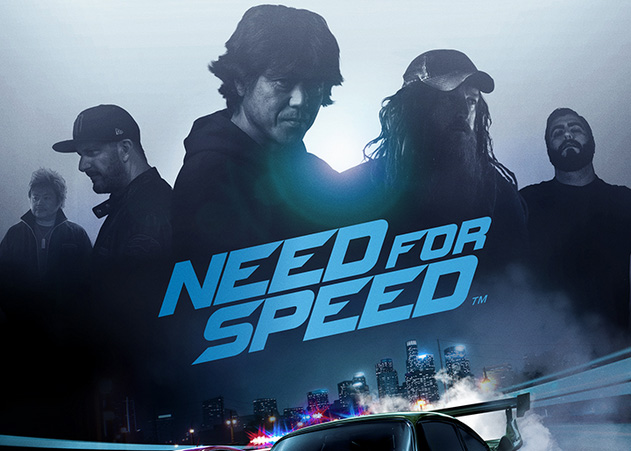
After a pretty long run of new NFS games each year, there was no release for 2014, with the launch of the next instalment simply titled Need For Speed in 2015. This was also the first NFS game from the Ghost Games studio and it did bring a lot of cool things to the table seeing as this was considered an attempt to reboot the franchise. The most notable was the inclusion of real-world automotive icons like Magnus Walker and Ken Block. It also brought back key elements of NFS games – vehicle customisation and street racing as a culture rather than a battle against cops. However, aspects of the game such as the hollow storyline, always-online mandate and poor AI got it a mixed reception from fans and critics.
These were all the Need For Speed titles I missed out on, a gap of nearly 10 years.
Back in the driver’s seat
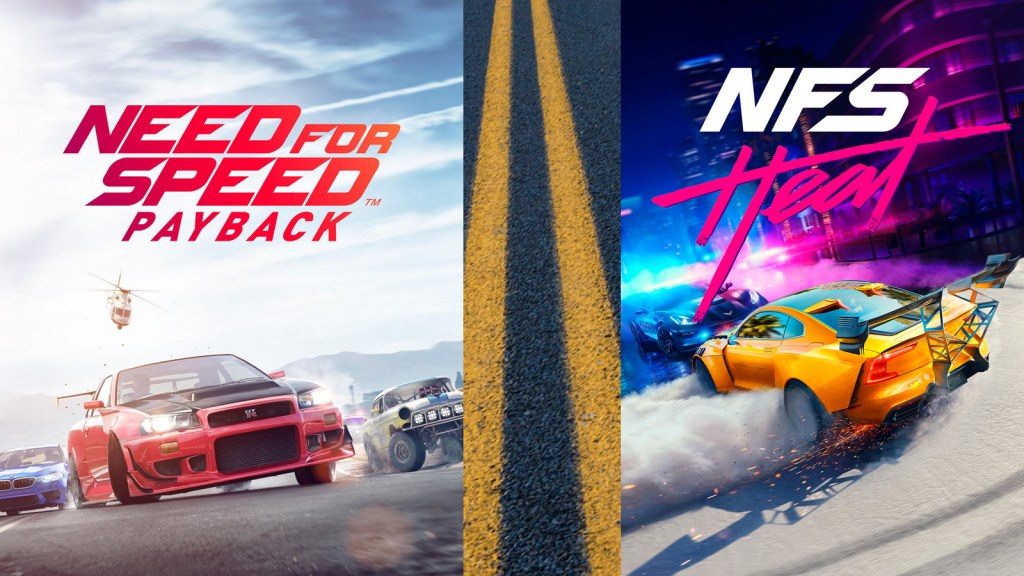
It’s the start of 2017 and I find myself in possession of a PlayStation 4, and I’m back into the world of racing games. I started by pouring a lot of hours into my first proper sim-racing experience with Gran Turismo Sport. Then came the announcement of a new title from my favourite franchise – Need For Speed: Payback.
The teasers had me hooked and the game also acted as the digital premiere of my favourite modern car – the BMW F90 M5 super sedan! Plus, the opening mission involved my favourite hypercar – the Koenigsegg Regera! The graphics had certainly come a long way since my last time playing an NFS game, and the roster of cars gave me plenty to collect. It also introduced a unique style of performance upgrades – cards that you would get with a lucky draw like a slot machine! NFS: Payback also had multiple characters that you could cycle between, a bit like GTA V, each with its story arc and style of missions. Plus it addressed the online issue with the offline mode that suits a single-player like myself. However, fans and critics found it less than impressive for those exact reasons. Its shortcomings were especially highlighted when compared to its competition – Forza Horizon. There were other issues too like the lack of a cockpit view and odd handling physics. But for me, this was a happy return to my favourite racing game franchise and I must have easily put in close to 100 hours.

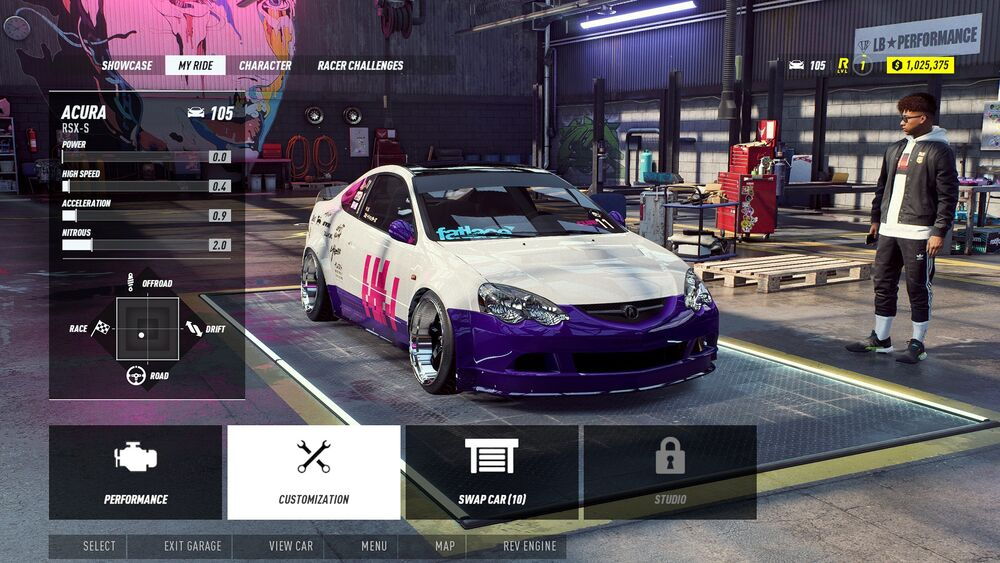
After two consecutive NFS flops from Ghost Games, they had one more release in 2019 – Need For Speed: Heat. Taking feedback from Need For Speed and Need For Speed: Payback, this was certainly an improvement in terms of vehicle customisation, police chases and a fun open-world map based on Miami, Florida. It still did not match Forza Horizon in every aspect, but presented more of a contest to attract more players. For me, this was the first NFS title I played on PC and I was totally spoiled by the experience of 60FPS on my 144hZ monitor. Once again, the hero car was one of my motivations – the Polestar One, a hybrid super GT. However, I did not enjoy the storyline of Heat as much as that of Payback, and I was more invested in a sequel involving the character of the ‘Gambler’. Evidence of my limited joy from this instalment is in the playtime invested – less than 50 hours.
Disappointing present
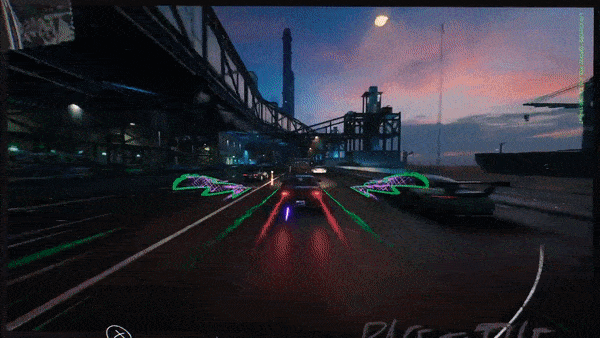
The successor to NFS: Heat took a solid 3 years and was launched only on the new-gen consoles and had a high ask for PC hardware. I’m talking about the most recent instalment called Need For Speed: Unbound, released in 2022. The franchise’s development duties returned to Criterion in 2020 and this is their first full-fledged NFS game since 2012. Even though I have not been able to play the latest game, I have been disappointed since the first trailer. The new graffiti art style that supplements the typical realistic visuals was executed poorly in my opinion. The storyline was also quite dull based on the videos I have seen, and I am glad I did not spend on acquiring this game. While it got positive reviews on average, the sales have been less than half of NFS: Heat.
Digging into the past

Given my lack of interest and inability to play NFS: Unbound, I started looking at NFS games from the gap years that I could still play today to see how they feel today. My trip down history lane started with Need For Speed Shift 2: Unleashed on PC. Following my sim-racing experience with games like Gran Turismo and Asseto Corsa, the control physics almost seems a little numb in comparison. It also has a repetitive format that one has to grind through to move up in the game, which is only enjoyable in a certain mindset, so it wasn’t exactly a game I would hop on to in my limited free time.
I then tried out Need For Speed (2015), also on PC, which had an entirely different handling system to any other racing game I have played lately. This learning curve did make it harder for me to find my rhythm in the game, but overall, it was an okay experience in my limited playtime. Nothing awful, but nothing that engaged me the same as those iconic NFS titles from the 2000s.
Most recently, I played Need For Speed: Rivals on the PS4. I’ve never been the biggest fan of the cop chase element of the franchise, it has its appeal and this title delivers that in heaps. Combined with the ability to attack cops and racers alike with Pursuit Tech, as well as the satisfying damage model, it is a surprisingly fun game. It does require a bit of time management as I can’t pause to take a call or visit the porcelain throne, but in small bursts, the continuous gameplay experience is tolerable.
Still hopeful
It would have been perfect if we got a new Need For Speed game to celebrate the franchise’s 30th anniversary. Instead, we got a special release for NFS: Unbound that brings back the iconic BMW M3 GTR from the original NFS: Most Wanted.

On the plus side, we did get a real-life version of that car that now sits with the BMW heritage collection, but is that better than a new NFS game? Hard to say.
Based on the usual release cycle of Need For Speed games, the next one is now expected to arrive in late 2025 and I truly hope it’ll be the best one yet.


 The Auto Loons
Leave a comment