
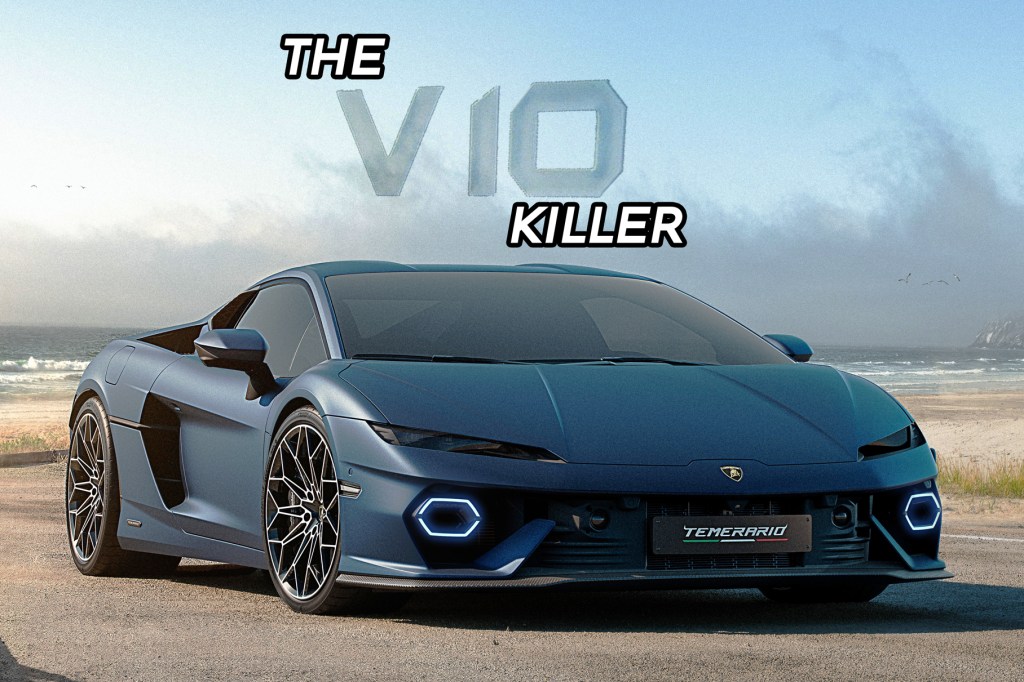
The Lamborghini Huracan will be the last production series road car powered by a naturally aspirated V10 engine. Its replacement in the Italian carmaker’s lineup has recently made its global debut, bearing the name of Temerario. Positioned as the brand’s “entry-level” supercar, it is powered by a new turbocharged V8 engine coupled with hybrid technology. The arrival of the Lamborghini Temerario inherently marks the end of the V10 engine in a road car.
Brief History Of The Lamborghini V10
Lamborghini’s flagship supercar offerings have always featured a V12, starting with the Miura that debuted in 1966. Nearing the new millennium, the brand had plans to introduce a new entry-level baby Lamborghini supercar as an easier entry point for new customers. It would be a successor to their previous attempt, the V8-powered Jalpa, which was in production from 1981 to 1988 with less than 500 units sold. After the Italian brand was bought by Audi in 1998 for around US$ 110 million, the Calà concept was used as the basis for developing the Lamborghini Gallardo. One of the aspects carried forward from the concept was the mid-mounted V10 engine.
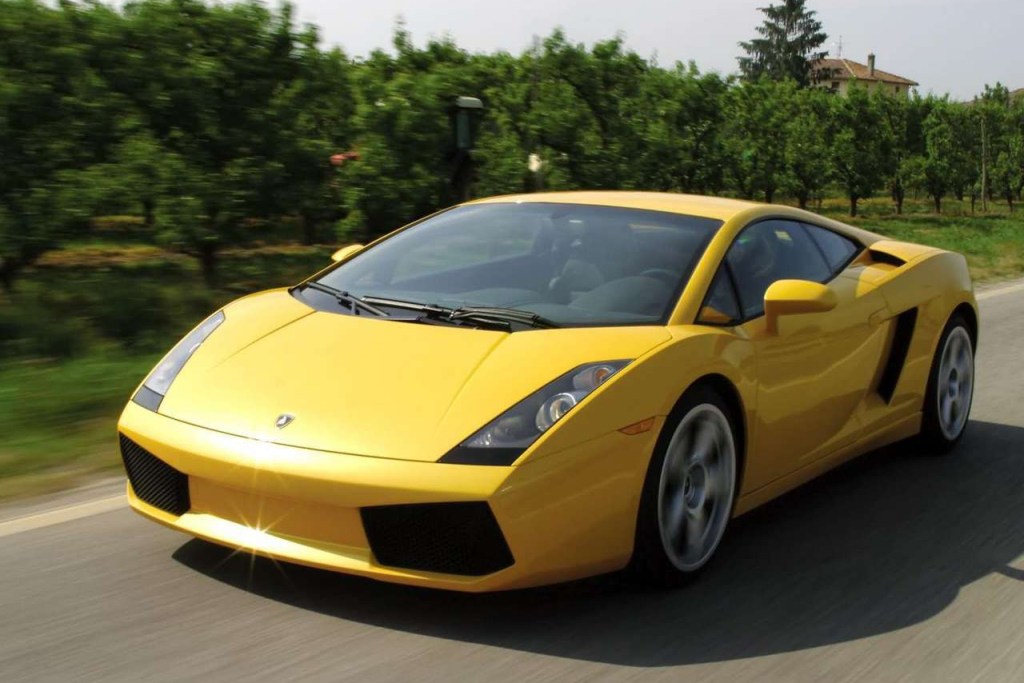
The Gallardo entered the market in 2003 with a 90-degree, 5-litre V10 engine that offered the choice of a gated manual or an automated manual transmission. It had an even firing configuration giving it a distinct sound similar to that of V10 engines used in racing cars. This engine was then developed further, increasing its displacement to 5.2 litres, and it was introduced on the facelifted Gallardo in 2008. It also featured direct fuel injection, increased power and an uneven firing pulse which makes it sound like the Lambo V10s most of us are familiar with today. The standard Gallardo V10 was capable of revving beyond 8,000rpm making that sweet engine symphony while dishing out 550PS of power. Thanks to the AWD setup, the drivers could put that performance down to the tarmac and keep the car under control.
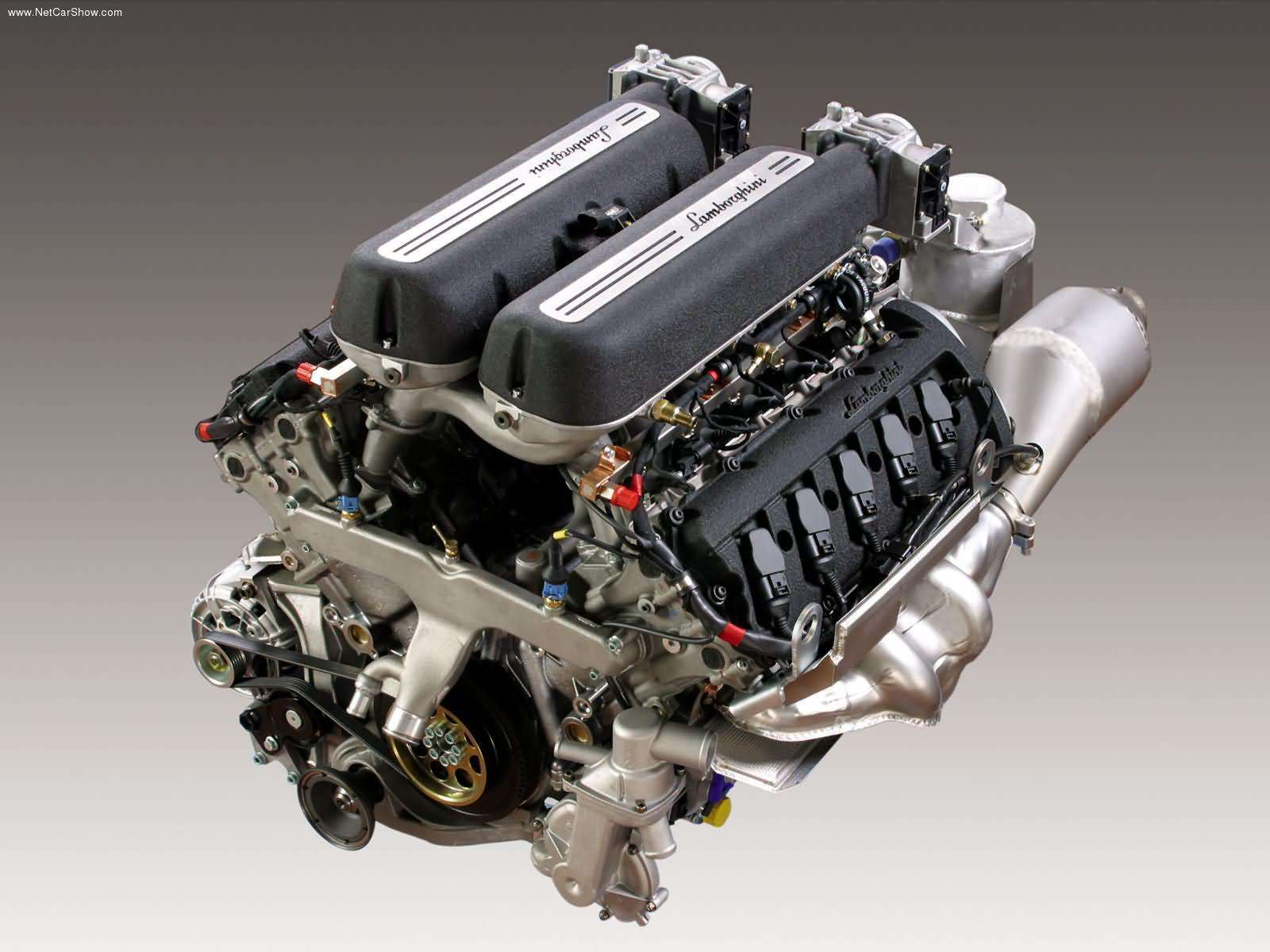

That same 5.2-litre V10 underwent many tweaks and technological improvements over the years. Even when Lamborghini replaced the Gallardo with the Huracan in 2014, the entry-level supercar still had the V10 engine but the performance had been pumped up to 610PS. That’s 40PS more than the most powerful Gallardo. Another major improvement was the dual-clutch transmission for better acceleration and overall ease-of-use making the Huracan a very popular daily-driven supercar.
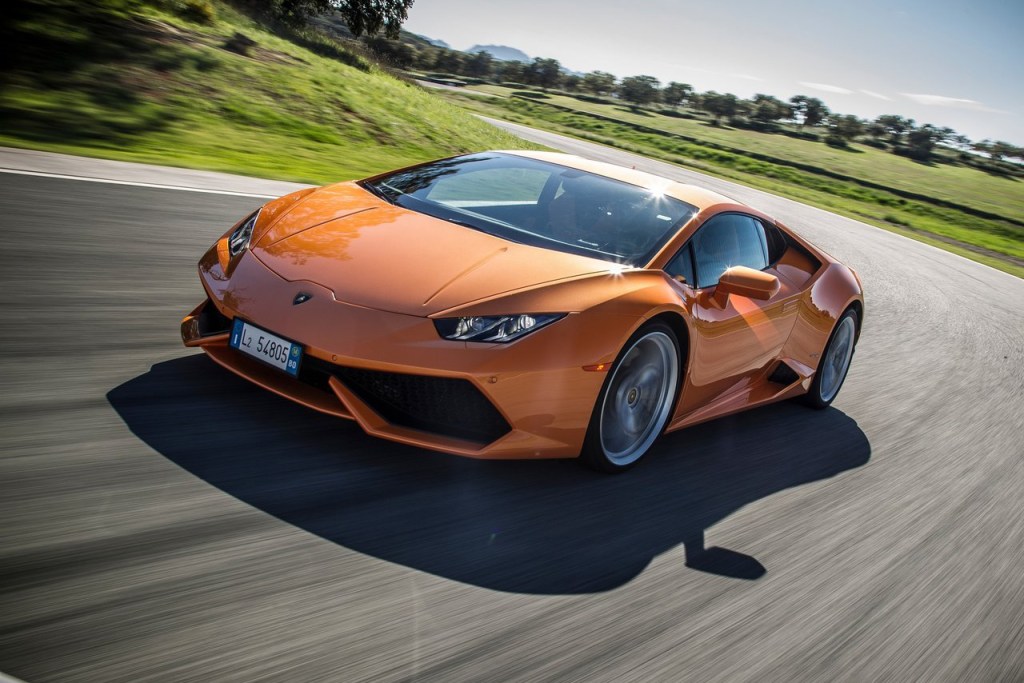
The Lamborghini Huracan stuck with that V10 engine layout for the next 10 years, with various iterations and a peak performance output of 640PS. It is simply a matter of time before the Huracan is officially discontinued by Lamborghini, and with the exception of aftersales support, marking the end of production for the 5.2-litre V10.
Also, one of the most impressive features of this Lambo V10 was never advertised by the brand. This was the capability of the engine to be modified with twin-turbos for Bugatti levels of performance. Performance tuning companies around the world, especially in the USA, found a way to offer twin-turbo kits that allowed Gallardo’s to have over 1000hp for record-setting drag times and top-speed runs. Meanwhile, the Huracans were able to push close to 1500hp with a twin-turbo kit for that V10 engine. Maybe Lamborghini always knew the insane potential of this engine but stuck to the relatively more reliable and easier-to-use naturally-aspirated configuration. No complaints here.
Other Iconic V10 Supercars
As we prepare our final farewell for the Lamborghini V10 before the Temerario enters production, let’s remember some of the other iconic production cars from various manufacturers that featured a V10 engine.
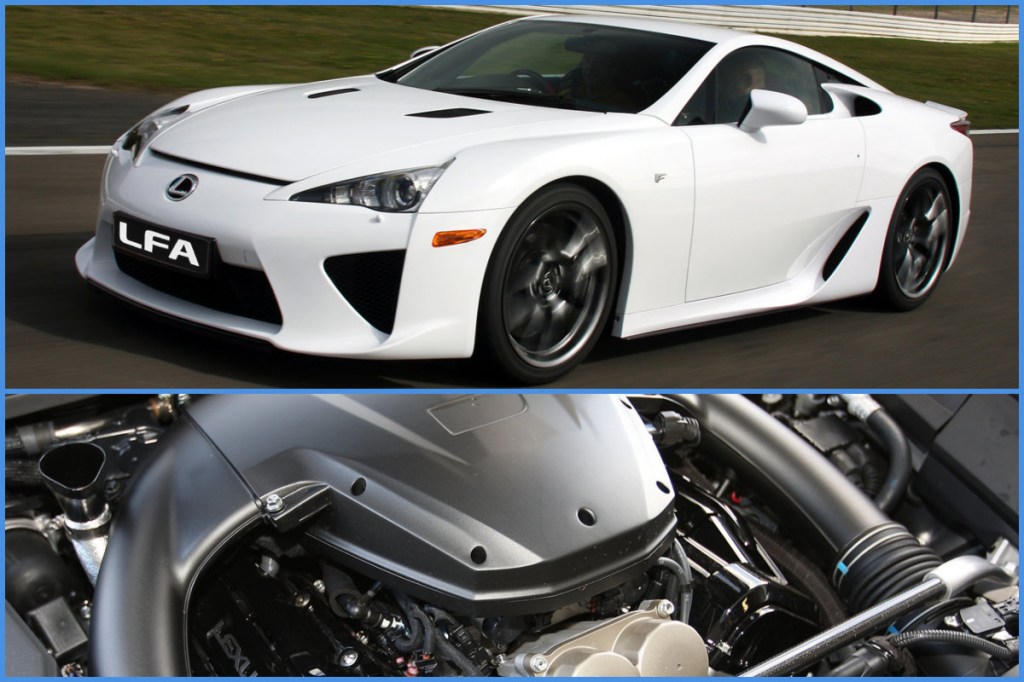
Lexus LFA
4.8-litre / 560PS
One of the best-sounding road cars to date
Dodge Viper
8-litre to 8.4-litre/ 406PS to 654PS
Built by Chrysler, designed by Lamborghini. Displacement over everything.

Audi R8/ D3 S8 & C6 S6 + RS6 Avant
5-litre to 5.2-litre/ 435PS to 620PS
Shared with the Gallardo and Huracans

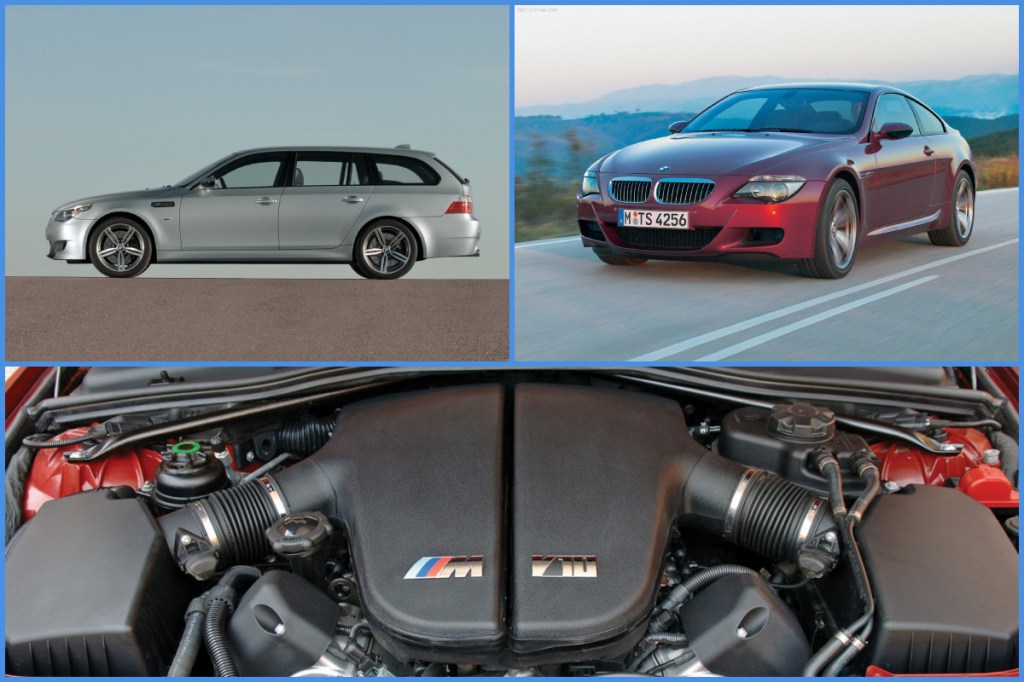
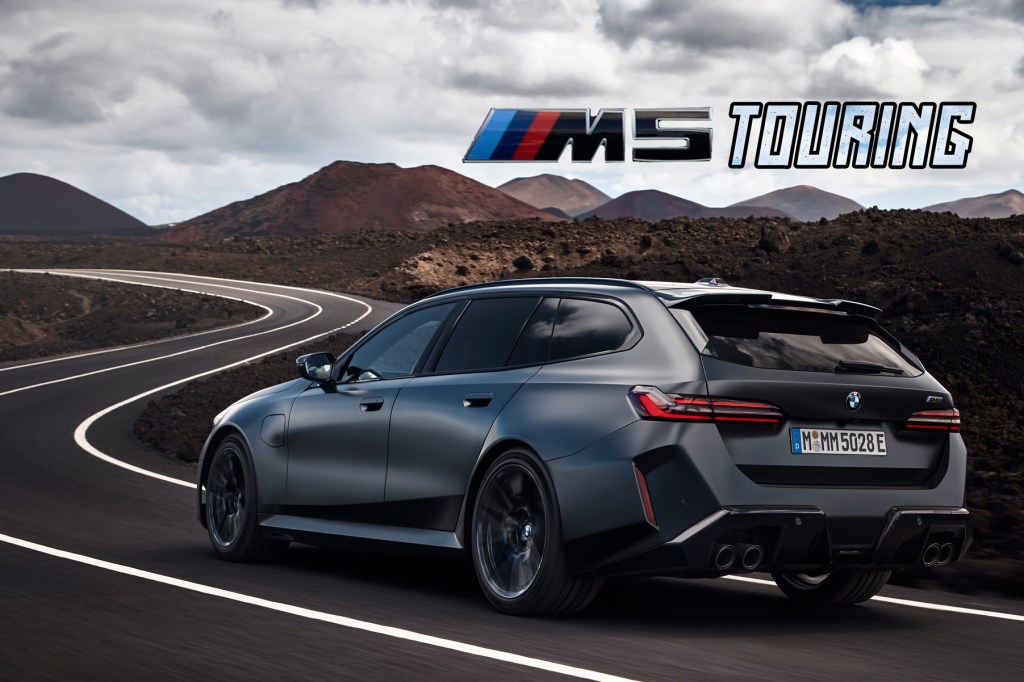
BMW M5 & M6
5-litre/ 507PS
The S85 powered a sedan, a coupe and an estate
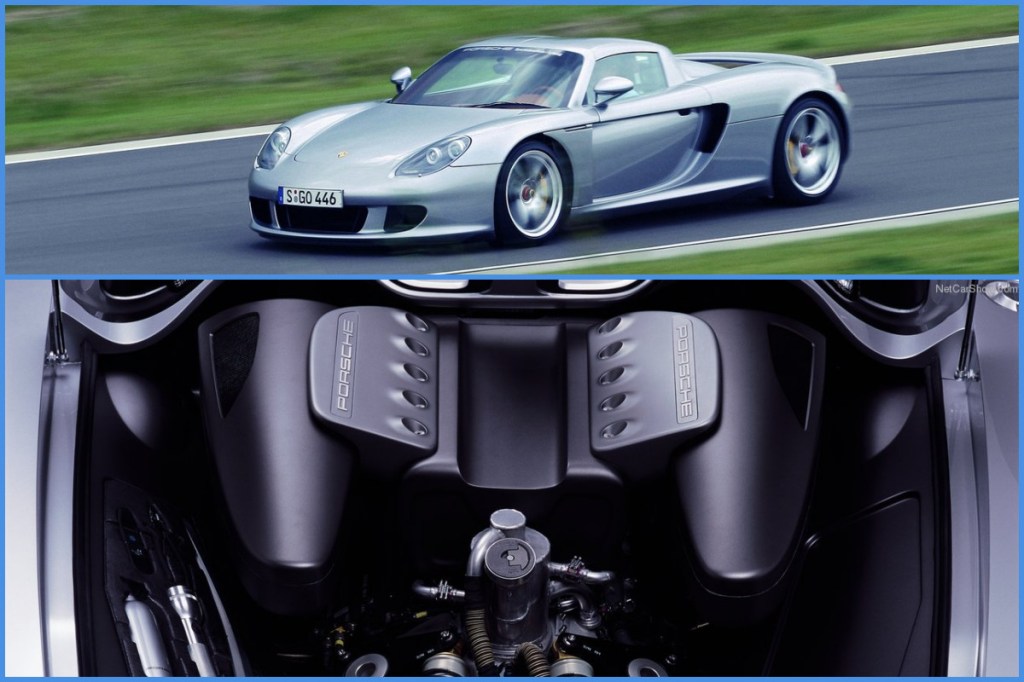
Porsche Carrera GT
5.7-litre/ 612PS
Built for racing, adapted for the road, and with a manual
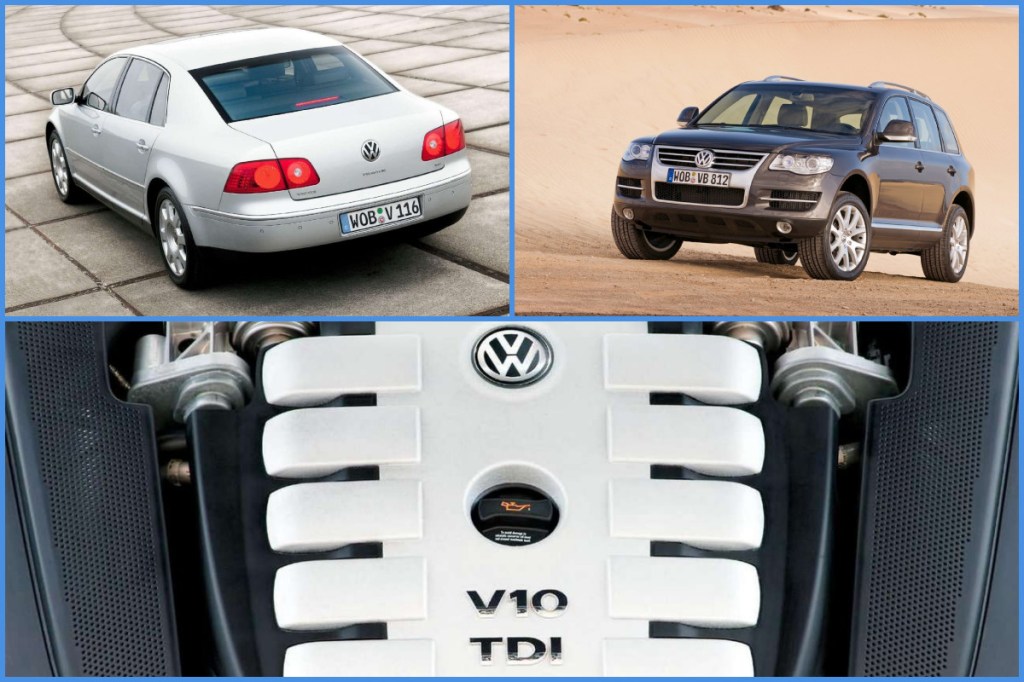
Volkswagen Touareg & Phaeton
5-litre/ 313PS
These VW flagship models had a V10 DIESEL! How mad is that?
Which one is your favourite V10-powered road car of all time? Let us know in the comment section at the bottom.
Temerario Performance Details: A Hero Disguised As A Villain?
The arrival of the Lamborghini Temerario may well mark the death of the Lamborghini V10, but does it deserve to be painted in a negative light? Absolutely not. The newly developed twin-turbo V8 hybrid powertrain in the Temerario is a work of art based on the specifications revealed and it should blow the Huracan out of the water.

Its combustion engine alone produces 800PS of power which is over 150PS more than any Huracan. Then we have the three electric motors, two at the front axle and one integrated into the gearbox, which increase the total output to 920PS. Furthermore, the engine can rev to 10,000rpm which is higher than the naturally aspirated V10 before it.
Furthermore, the hybrid Temerario has 50 per cent lower emissions than the Huracan. So, it’s better for the environment as well.
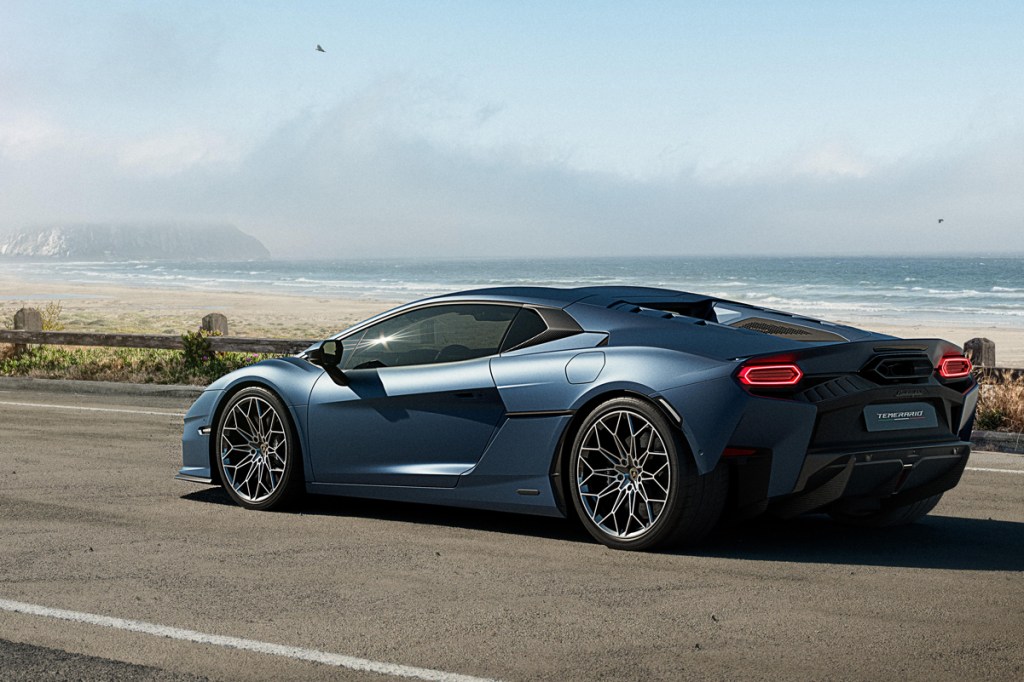
Yes, there is a weight penalty for the added comforts and electric powertrain elements. The kerb weight of the Temerario is about 200kg more than the regular Huracan. However, the bump in performance should be easily able to counter that extra weight. Officially, Lambo claims a 0-100km/h time of just 2.7 seconds and a max pace of 343km/h compared to the 2.9 second time and 325km/h top speed of the fastest Huracan.
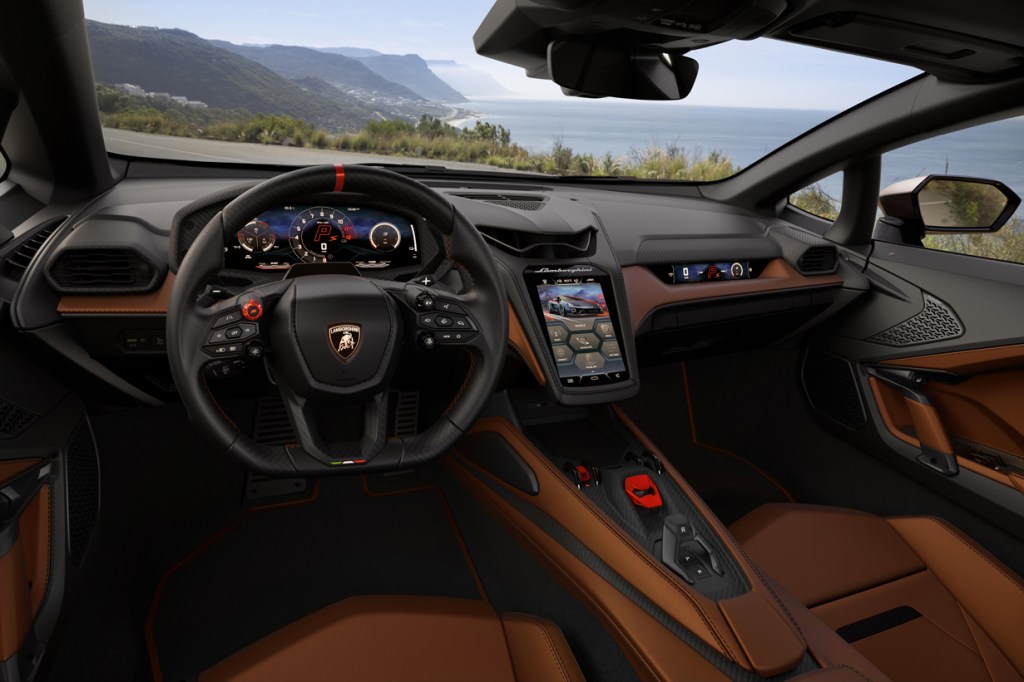
Lastly, the Temerario appears to be even more practical than the Huracan in terms of cabin room and luggage capacity. It also gets modern tech with touchscreens and driver assist systems. Thus, it could be a more popular Lamborghini supercar than its predecessor. As a bonus, it outperforms its rivals like the Ferrari 296 GTB and McLaren Artura, but we are yet to see how the pricing compares.
V12s Till The End
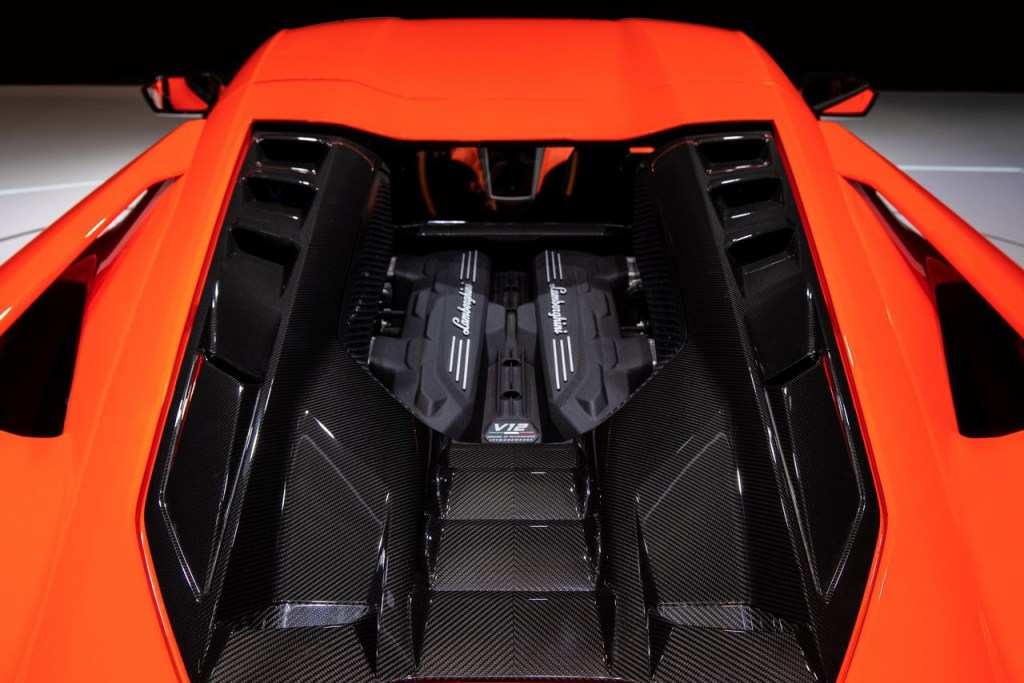
Ending the naturally-aspirated V10 in favour of turbos and fewer cylinders is a business decision Lamborghini had to make. However, the brand has publicly stated that it will continue to offer V12 engines as long as legally allowed to. The brand is already looking at options for the future which would work on synthetic fuels, much like Porsche with the 911s. So, as poster cars go, expect the Lamborghini V12 to survive for a decade or more.


 The Auto Loons
Leave a comment